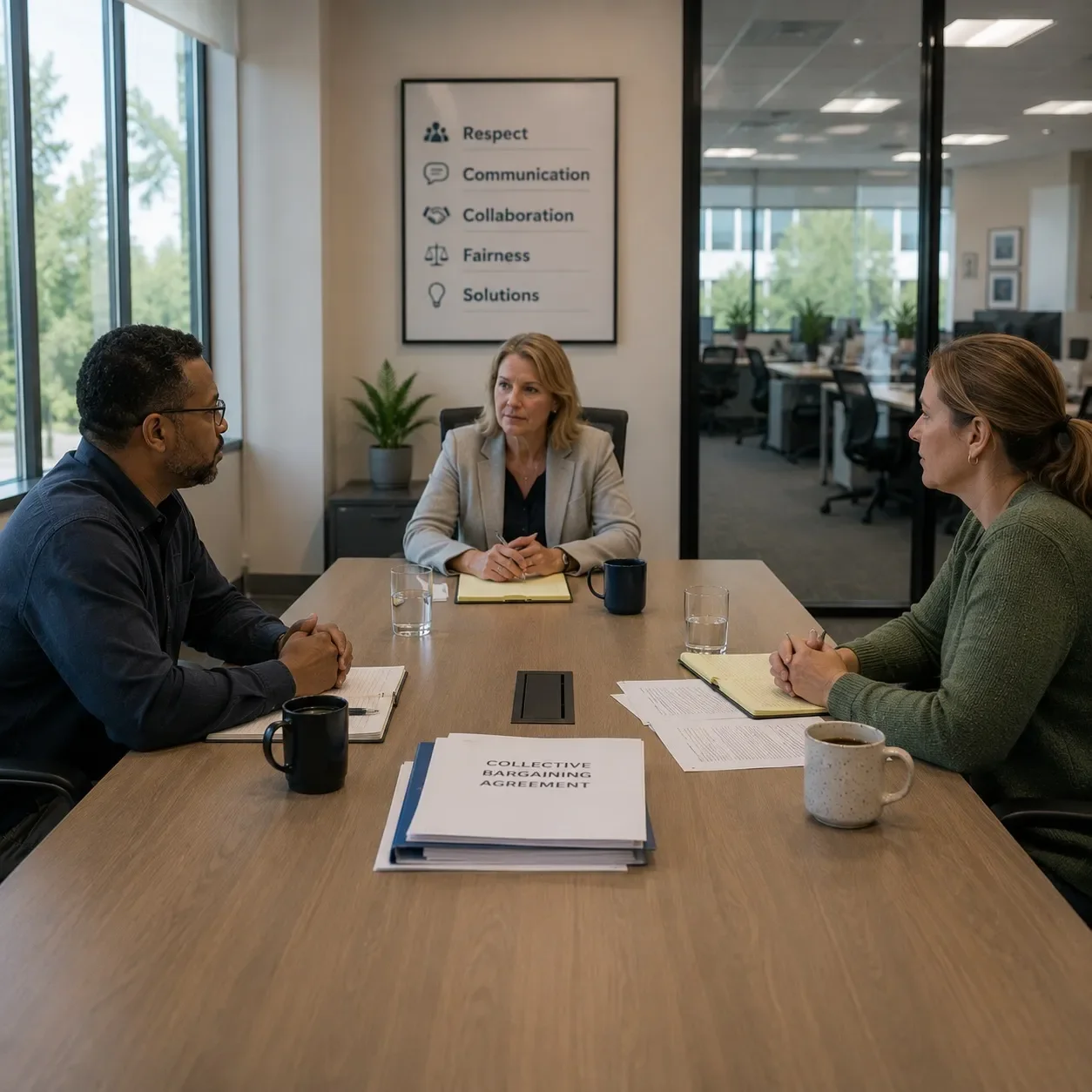
What “Going AWOL” means
“Going AWOL” stands for Arbitration Without Lawyers. The phrase is meant to be provocative, but the idea is straightforward.
Labor arbitration was designed as a practical, workplace-centered process that resolved disputes efficiently while preserving the relationship between labor and management. For much of its history, advocacy was carried out by representatives who understood the contract, the workplace, and the context in which disputes arose.
That model worked because it emphasized clarity, practicality, and credibility over formality. It shaped labor arbitration for decades. Over time, however, the process gradually evolved, changing how advocacy was practiced.
Effective advocacy was built on workplace knowledge, practical judgment, and credibility—not legal formality.
How arbitration practice has changed
As arbitration has evolved, Going AWOL offers a practical approach rooted in clarity, credibility, and workplace experience.
The Shift
A Changing Arbitration Process
Labor arbitration originally was simple, fast, and informal. Today, it more closely resembles litigation. It takes longer and costs more than it should.
Longer hearings
Hearings that are longer and more structured.
More technical
Greater reliance on technical arguments and on procedural and evidentiary rules.
Costlier
Increased expense for both sides.
Disconnected
A growing distance between the process and the workplace realities it serves.
The challenge is preserving what made arbitration effective.
The Response
The Going AWOL Approach
Going AWOL reflects a deliberate effort to restore balance. We believe that effective arbitration advocacy does not depend on formal legal training but on the following:
Knowledge
Understanding the collective bargaining agreement.
Clarity
Organizing facts clearly and accurately.
Judgment
Exercising sound judgment about which issues matter.
Communication
Communicating in a way that helps the arbitrator resolve the dispute.
Practical advocacy rooted in workplace knowledge.
What we aim to do
We pursue these goals through training, experiential learning, and the sharing of practical insights drawn from years of experience in arbitration and labor relations.
Restore accessibility
Focus on the contract, the facts, and the real-world context that shape every dispute.
Improve Advocacy
Clear, well-prepared presentations help arbitrators make better decisions.
Strengthen relationships
A practical, grounded approach to arbitration supports long-term labor–management relationships.
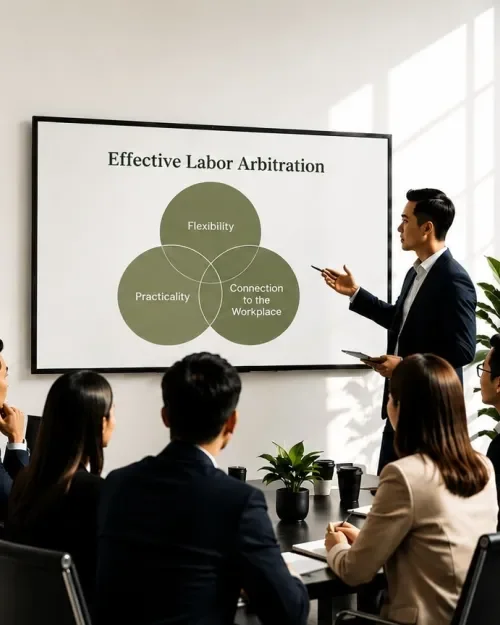
Looking forward
Labor arbitration continues to evolve with new challenges and changing workplace dynamics.
Going AWOL preserves what works best—flexibility, practicality, and a strong connection to the workplace—while preparing advocates for today’s demands.